Cancer Prevention, Screenings & Testing: What We All Need to Know
“What are you scared of? What is it you don’t know?
What do we know that we can tell you to help you get a handle and control over what’s going to come next?”
-Dr. Louise Morrell, Lynn Cancer Institute Medical Director and Oncologist


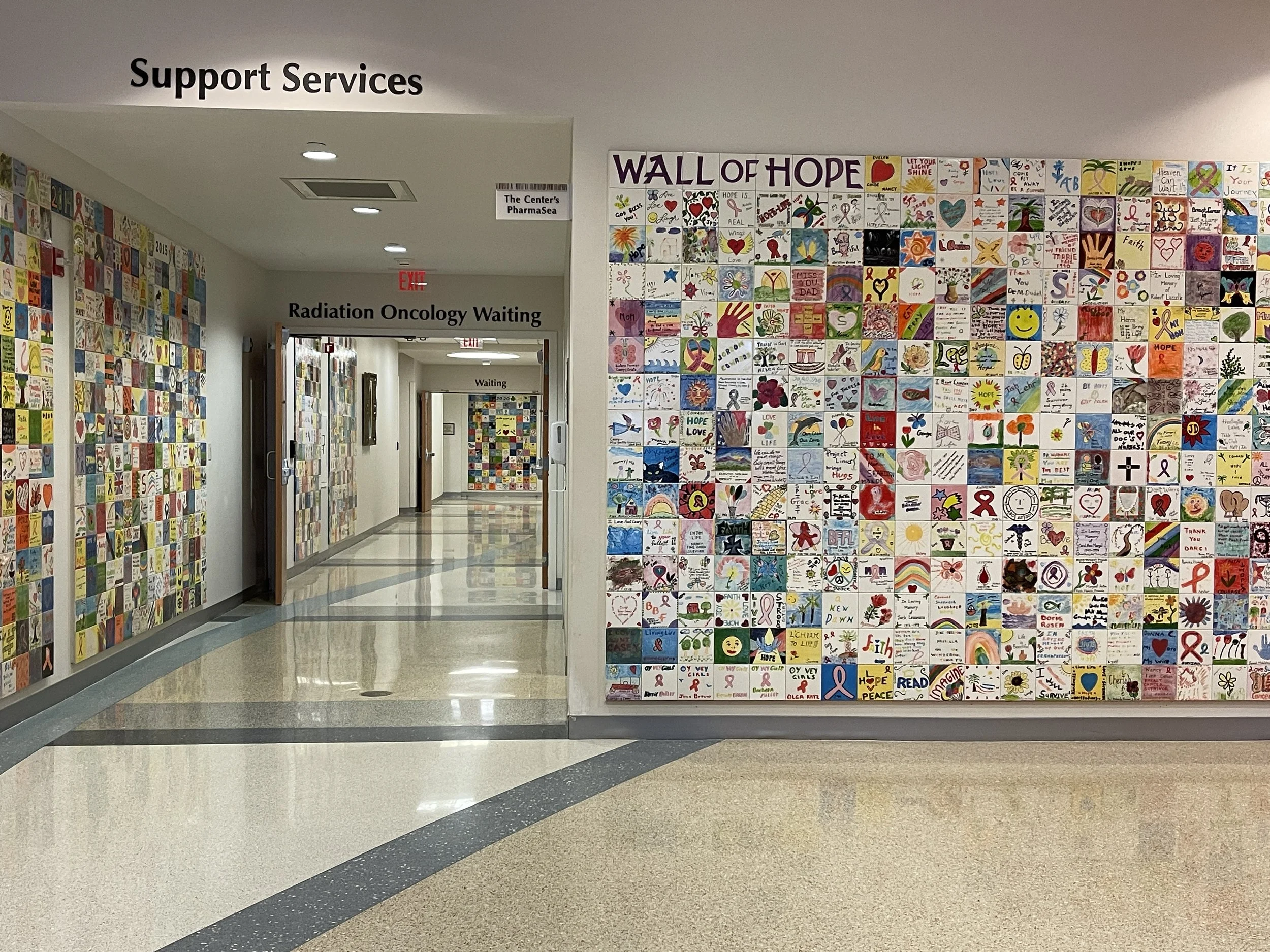
Nearly 4,000 newly diagnosed cancer patients walk through the Lynn Cancer Institute doors at Boca Raton Regional Hospital each year.
My mom was one of them.
Like so many children, spouses and friends do for their loved ones, I walked through those doors alongside my mom for just about every doctor’s appointment and every chemotherapy treatment. That was several years ago. She lost her battle to colon cancer in 2018.
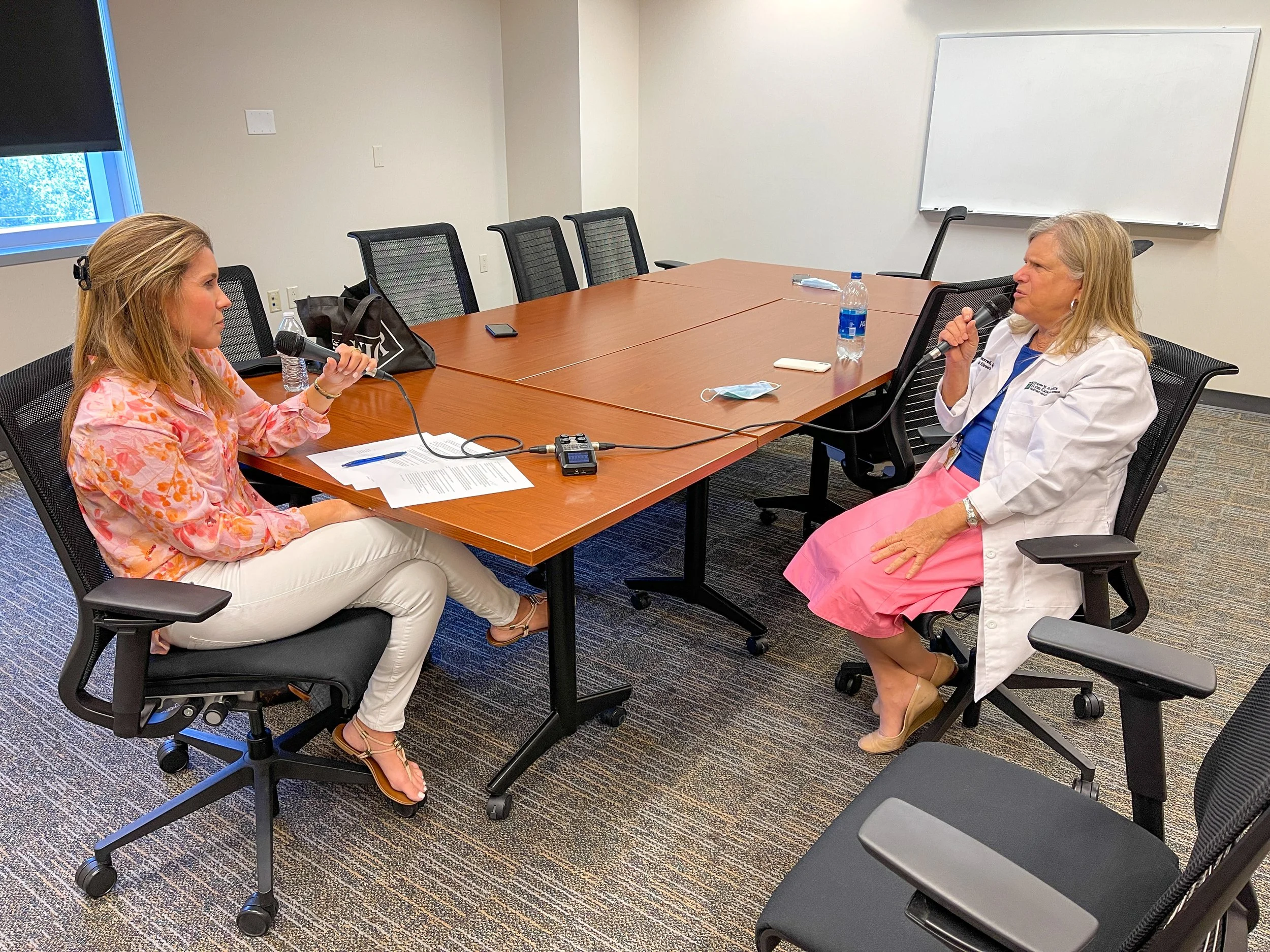
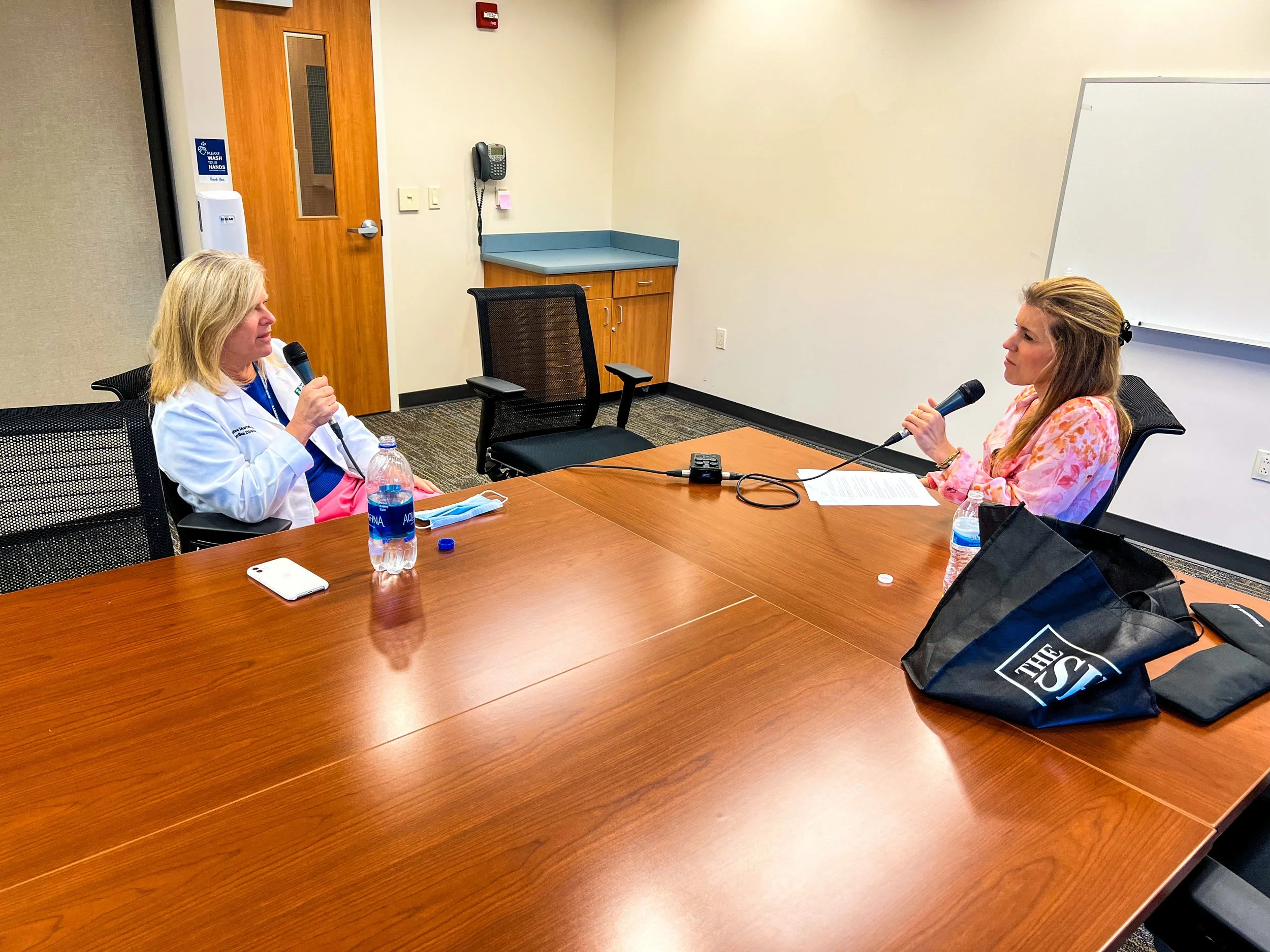
I stepped back inside the Institute recently to highlight Breast Cancer Awareness month this October and sit down with Lynn Cancer Institute’s Medical Director, Dr. Louise Morrell for a Today’s Paige interview. Dr. Morrell is one of our country’s leading oncologists specializing in breast cancer treatment, cancer genetics and hereditary cancer syndromes.
“We are really focusing on advancing a program that allows us to help identify women who should get tested in their 30’s or earlier so we can start prevention earlier. I don’t want any of those people coming in at age 32 and we could have known,” says Morrell.
Morrell stresses the importance of annual mammograms and screening, especially following the onset of COVID-19 when many people cancelled their regular appointments.
“If people know they haven’t screened in awhile, they get very worried. Nothing that you delayed in the past matters anywhere. You can be on time from that point. And even if we find something, the survival rates are very high. Many women can get lumpectomies. Many women can preserve their breasts. There are so many options there. I just think it’s not being afraid to pursue the screening because you’re afraid of what they’re going to find,” says Morrell.
Besides annual mammograms, Morrell also suggests a healthy diet low in fat and full of antioxidants, regular exercise, limited alcohol use and no smoking when it comes to cancer prevention.
“Women are at risk for breast cancer. That is actually the number one risk factor, and surprisingly, the number two risk factor is getting older. This is a diagnosis that doesn’t stop at age 60 or 70. Many women face breast cancer in their 80’s, but it’s conquerable. It is also a disease that strikes younger women, which is why it’s really a women’s story,” explains Morrell.
Morrell is extremely optimistic about the key advancements being made in breast cancer research and genetic testing and has one simple message for those in the cancer fight.
“I think most people who hear the word cancer think the worst instantly. That it’s just a lot of images of people they’ve known of, of usually unfortunate outcomes. It’s terrifying and it’s really taking the time to say, ‘Okay, I get that. I know this is serious. Now what? Now what is it that I don’t know?’ And what you don’t know is what treatments are available, how tolerable those treatments can be, and how much better the outcome can be than you might have ever seen in anyone else or imagined in the past. And having now been in the field long enough to really see this many times in some ways, even if you have a very serious case, another breakthrough may come through,” says Morrell.
Listen to Today’s Paige the Podcast to hear Dr. Morrell’s explanation of the BRCA genes, details about genetic testing and other cancers, the Lynn Cancer Institute’s multi-modality program, Dr. Morrell’s message to cancer patients and caregivers and how cancer has touched her personally. Plus details from Go Pink Challenge Chair Nicole Flier on the 18th Annual Go Pink Luncheon ( Note: a few tables and individual tickets are still available for purchase) and how you can help in the fight against breast cancer year round. It’s all on Today’s Paige!